The Two Steels
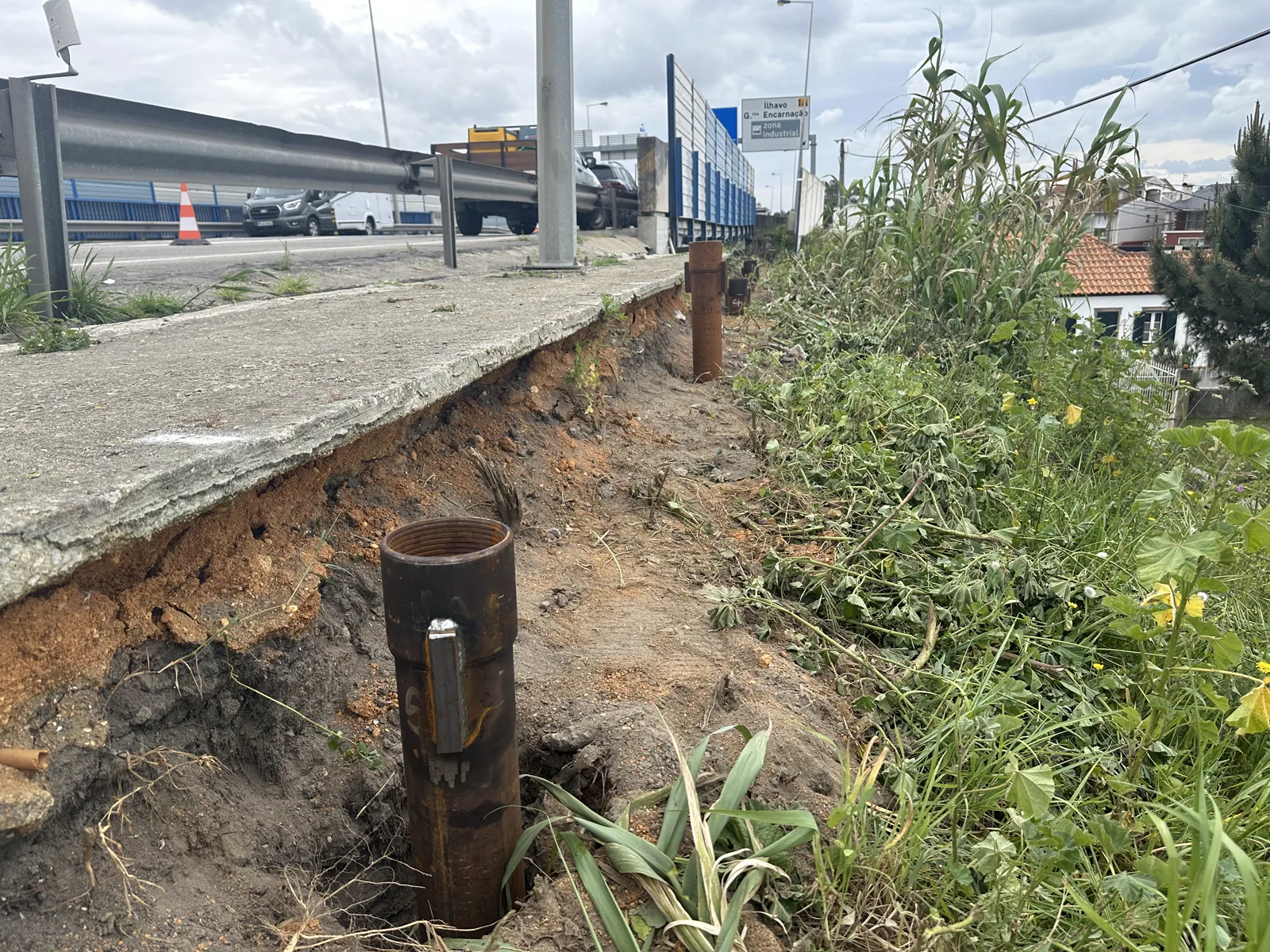
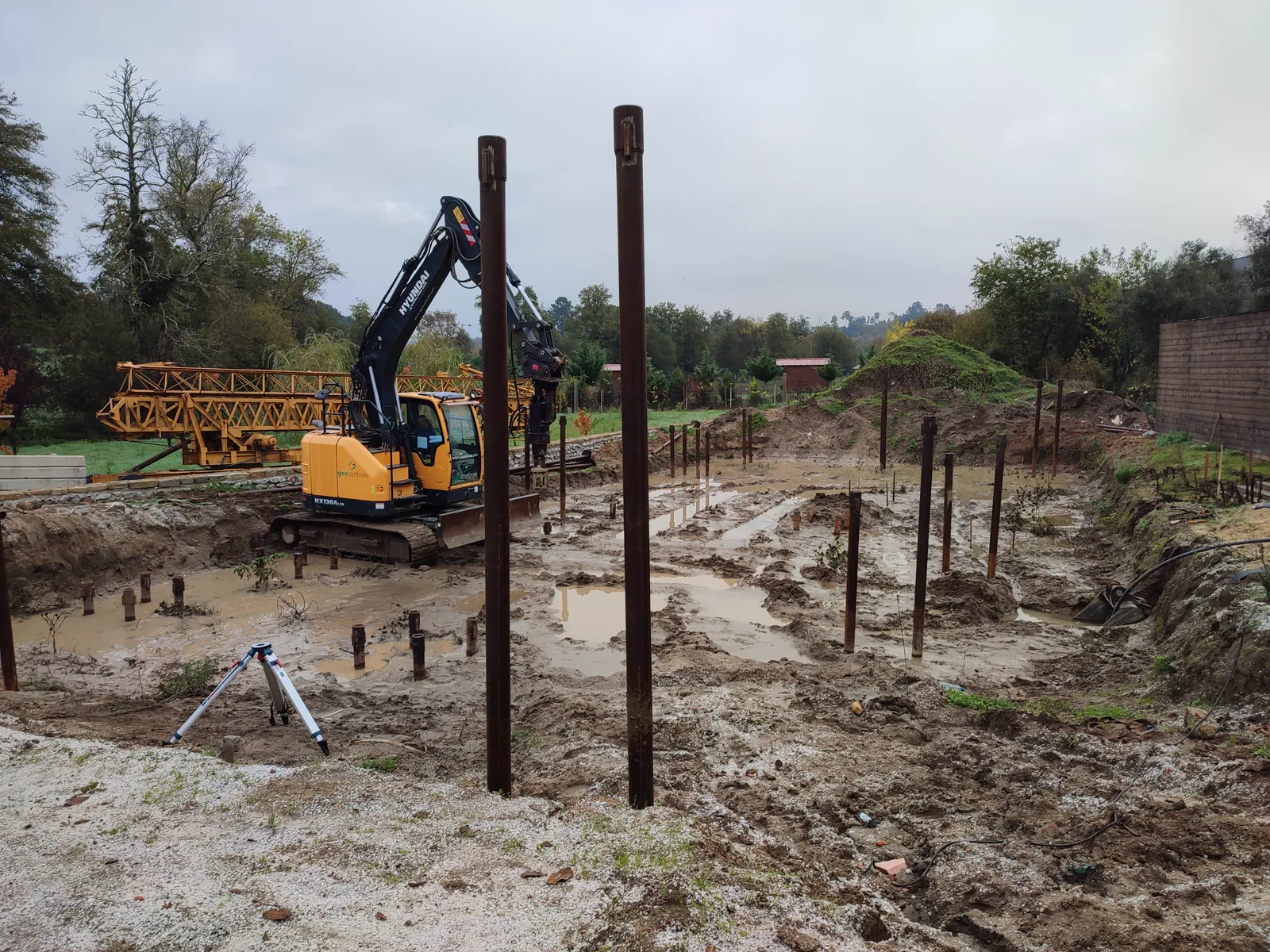
Every Rotopile helical pile is available in two steel grades of your choice: S355/S420 structural and S550 high-tensile. The same pile, in the grade that best fits your project and budget.
Available in Two Steels
Both grades share the same manufacturing quality and the same documentation. The right choice depends on your loads, your soil, and how many piles the project needs. Tell us those and we will recommend the grade.
Standard Structural Steel
The reference grade across Europe, with full Eurocode documentation. The proven and cost-effective choice for most projects, well understood by every engineer and building authority. It is high-quality SSAB structural steel, among the most sustainably produced in the world.
- The Eurocode reference grade, familiar to every structural engineer
- Cost-effective for the majority of foundation projects
- Straightforward to specify and to approve locally
High-Tensile Steel
A higher yield strength means more capacity per pile and a better strength-to-weight ratio. For demanding loads it can mean fewer piles for the same job, with less steel and less to transport.
- Higher yield strength for more capacity per pile
- Better strength-to-weight ratio for heavy loads
- Often fewer piles for the same load, less steel and freight
Both grades carry full material certificates and are traceable from raw material to your site. Tell us the loads and the soil and we will recommend the right grade for your project.
When Each Steel Fits
Two equal choices. The project decides, not the catalogue.
- Loads are moderate and the standard grade carries them comfortably
- The design must reference the most common Eurocode grade
- Cost per pile is the priority over total pile count
- Local approval favours a widely recognised structural steel
- Loads are high and capacity per pile is the limiting factor
- Reducing the number of piles cuts installation time and cost
- A lighter foundation means less steel and lower freight
- The strength-to-weight ratio is worth optimising for
- Manufactured under EN 1090 and ISO 9001/14001
- Full material certificates with every delivery
- Traceable from raw material to your site
- The same pile geometry and the same documentation
We Recommend the Grade From Your Project Loads
You do not have to pick a steel grade in advance. Send us the structural loads and the available soil data, and our design work decides which grade gives you the most efficient foundation. Sometimes that is the cost-effective standard grade. Sometimes a higher-strength steel reduces the pile count enough to pay for itself. Either way, the recommendation comes from the numbers, not from a default.
The two grades use the same pile geometry, so switching between them does not change how the pile installs on site.
If neither grade suits your conditions, we will tell you straight rather than push a solution that does not fit.
Same Quality, Either Grade
- Manufactured under EN 1090
- ISO 9001/14001 certified processes
- Material certificates for every delivery
- Full traceability from raw material to site
How We Decide
- We review your structural loads
- We assess the available soil data
- We compare pile count and steel use per grade
- We recommend the most efficient option
What You Receive
- A grade recommendation tied to your project
- Code compliance documentation
- Material certificates on delivery
- Pile driving reports at installation