Your complete helical pile resource centre
Certifications, technical specifications, FAQ and free design training in one place.
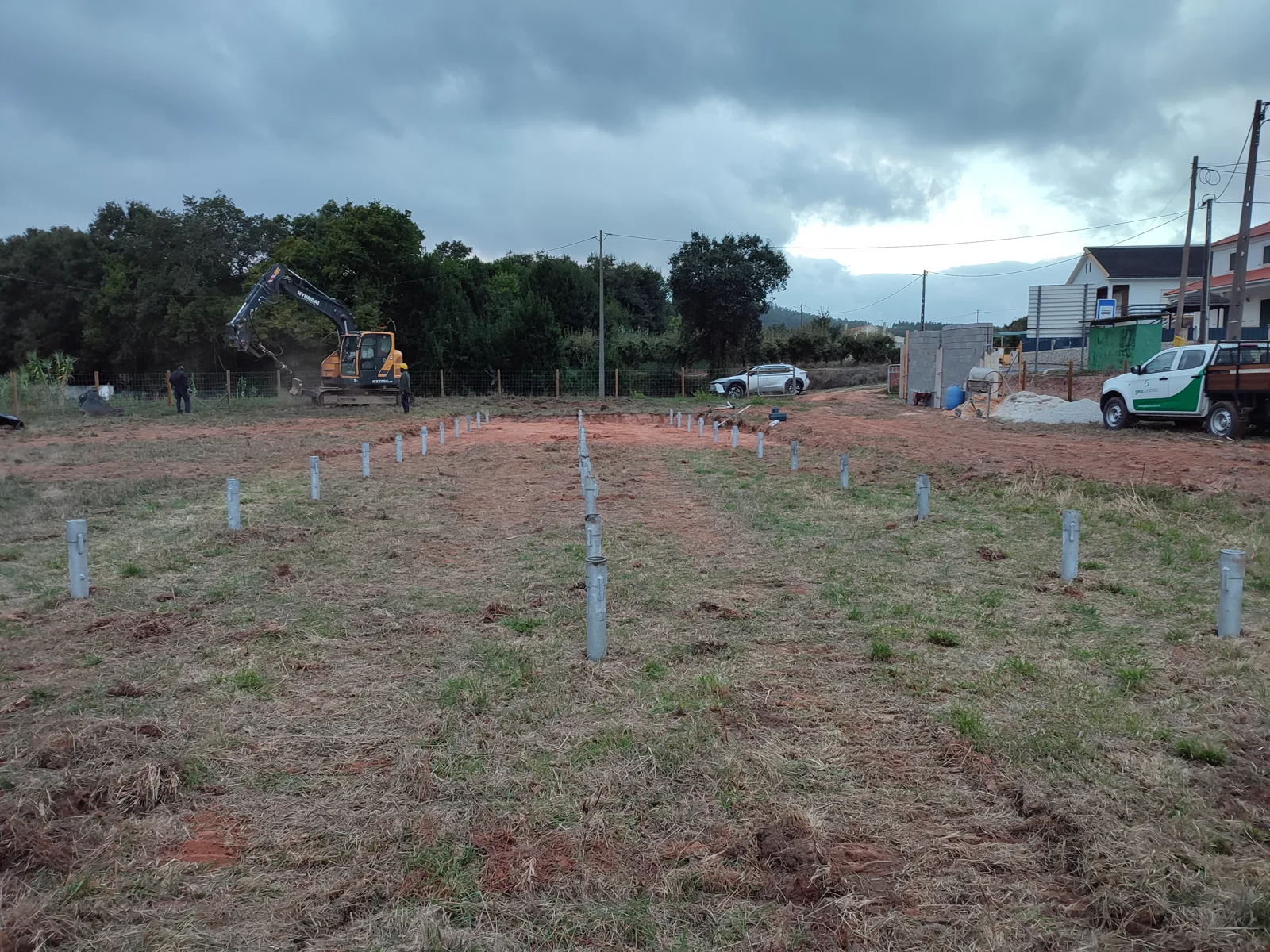
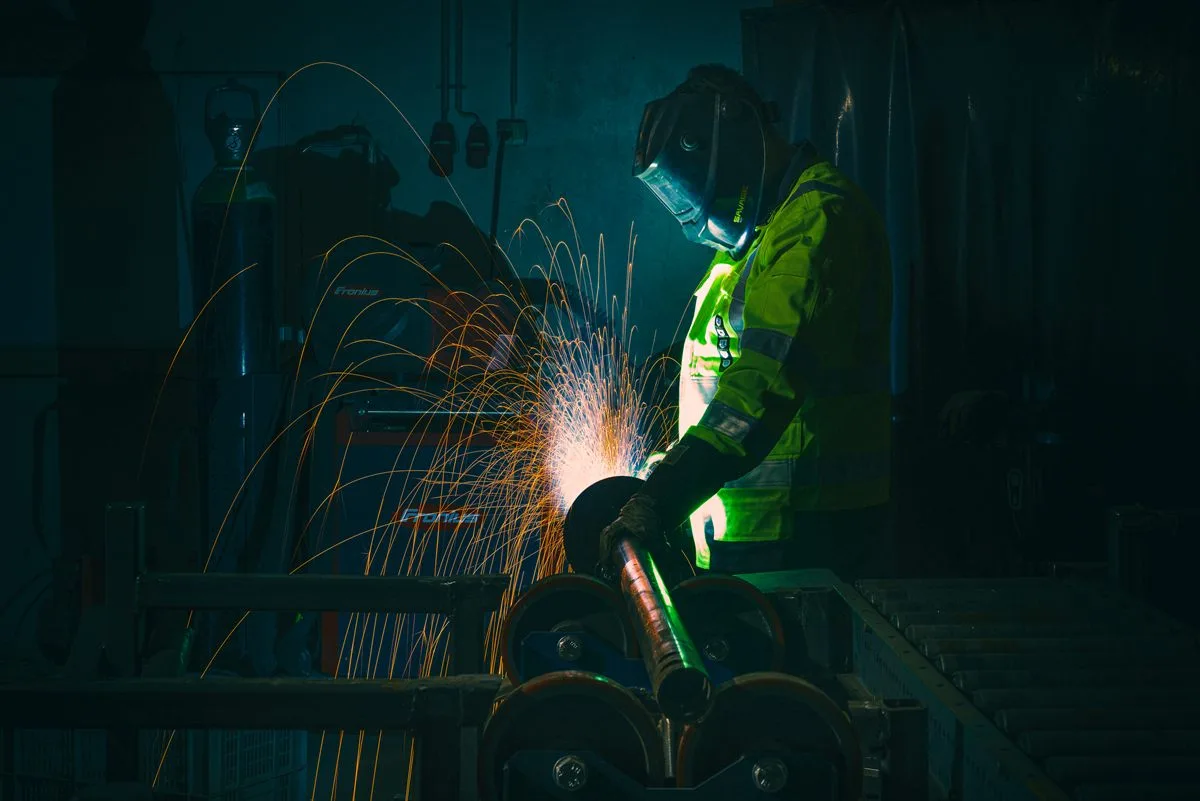
Every pile is manufactured in Portugal and Finland
Certified production, traceable materials and trained installers. From factory to site.
Product specifications at a glance
Our two product ranges cover everything from lightweight garden projects to heavy industrial infrastructure. Select the range that matches your project requirements.
PRO Helical Piles
Machine-installed piles for structural and industrial applications. Designed for high-load projects including buildings, solar parks, substations and infrastructure.
- Tube diameter60.3 - 323.9 mm
- Helix diameter200 - 1,000 mm
- Standard lengths1.5 - 12 m
- Load capacityUp to 1,000 kN
- InstallationMachine (excavator)
- Warranty100 years
HELIX Helical Piles
Second-generation helical pile with a cast steel head for effortless manual or machine installation. Fences, jetties, garden rooms, terraces and small cabins.
- Tube60.3 × 2.9 mm / 60.3 × 5.0 mm
- Helix diameter160 mm
- Standard lengths0.7 - 3.2 m
- Steel gradeS420
- InstallationHand / machine
- Warranty50 years
Technical data sheets on request
Each pile size has a technical data sheet with characteristic structural capacity, bending resistance and geotechnical guidance. Data sheets are available on request for both steel grades, S355/S420 structural and S550 high-tensile, so the figures match the grade you are designing with.
Data sheets list characteristic capacities to Eurocode. Your structural engineer applies the relevant safety factors from the national annex to reach the design value, and geotechnical capacity is confirmed per project from the soil data.
What we send you
Tell us the tube and helix size, or simply the load and the soil you are working with. We send the matching data sheets, with the characteristic capacities for your chosen steel grade and the bending resistance per pile.
Request your data sheets
Our engineering team replies with the relevant data sheets and can confirm which range and grade suits your project.
Request data sheetsBrochures and technical documents
Product brochures and technical documentation are available on request. Tell us your project type and we send the materials that fit it.
Pile Selection Guide
Help choosing the right pile type and size based on your soil conditions, loads and building type.
Request guideInstallation Equipment
Drive heads and drilling units for professional use. Specifications and model range on request.
View equipmentHELIX Product Brochure
Product overview, specifications, installation methods and range for the HELIX line.
Request brochurePRO Product Brochure
Helical pile range for infrastructure, solar, and commercial projects, with full specifications.
Request brochureTechnical Data Sheets
Load tables and technical specifications, available on request for both steel grades.
Request data sheetsAnswers to common questions
25 years of manufacturing experience distilled into straight answers.
What kinds of construction projects can use helical pile foundations?
Helical piles support a wide range of structures. On the lighter end: terraces, fences, garden sheds, greenhouses, flagpoles and boardwalks. Mid-range: residential houses, garages, extensions, noise barriers and retaining walls. Heavy-duty: industrial halls, solar parks, BESS installations, substations, pipelines, 5G masts, bridges and power line supports.
Our product range covers everything from small hand-installed piles for garden projects to large machine-installed piles for industrial infrastructure.
What is the difference between hand and machine installable helical piles?
Hand-installable helical piles (our HELIX range) are designed for lighter loads and can be installed using a crowbar or a handheld electric pile driver. They are ideal for DIY projects such as terraces, garden structures, fences and small sheds.
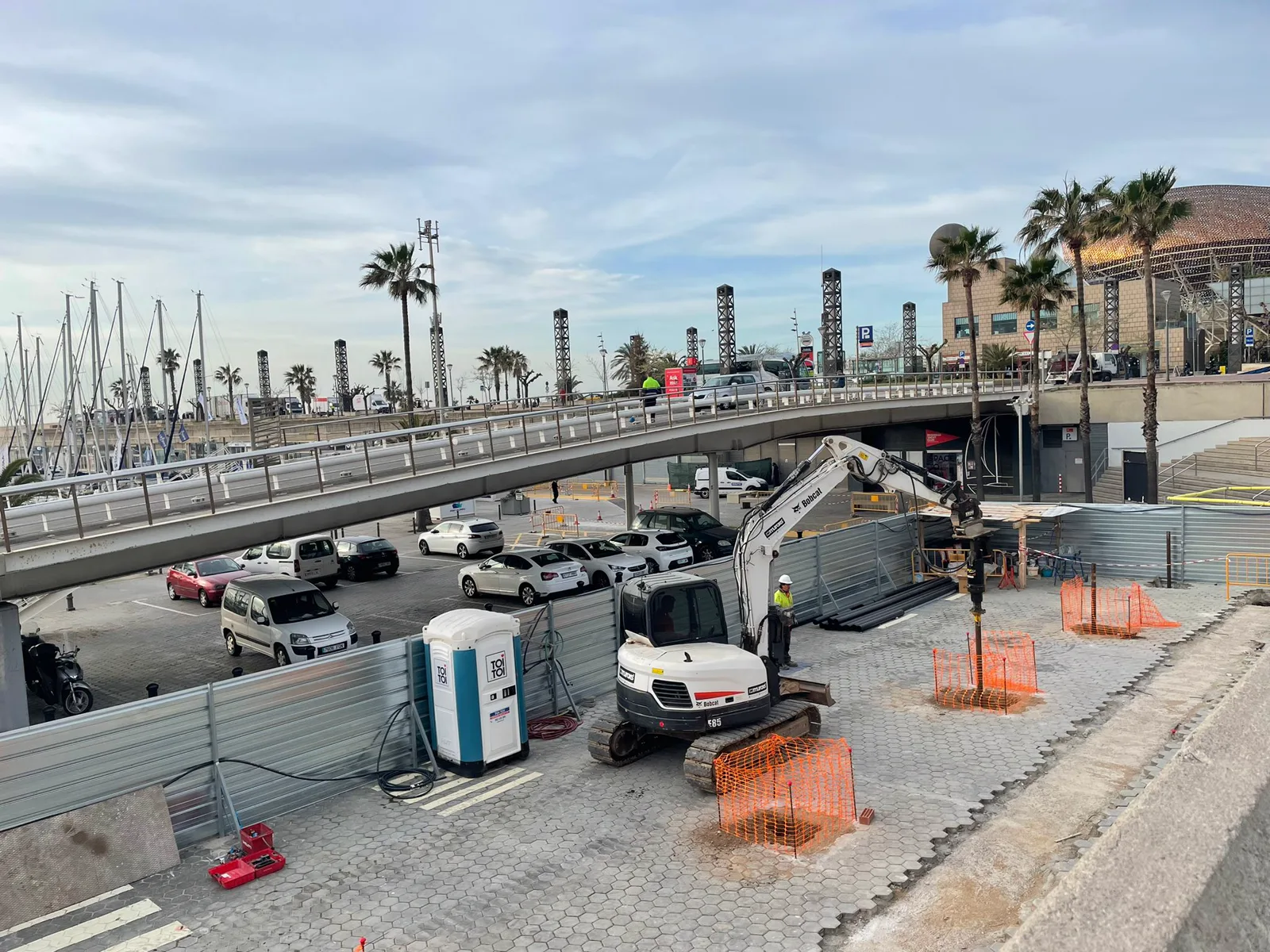
Machine-installable helical piles (our PRO range) are designed for structural loads and require a hydraulic auger mounted on an excavator or wheel loader. They are used for buildings, industrial infrastructure, solar parks and other projects where high load capacity is required.
The key differences are load capacity, installation method, tube and helix dimensions, and the type of surface treatment applied.
Do building authorities accept helical pile foundations?
Yes. Helical piles are accepted by building authorities across Europe, the USA and beyond when designs, calculations and installation meet industry standards. We provide all required documentation: structural calculations, quality control records, material certificates and installation logs.
If your local authority has questions, our engineering team can supply the technical documentation they need.
What types of soil are most favourable for helical piles?
Clay and sandy soils are the most common and favourable soil types for helical piles. They also perform well in peat, moraine, soft ground and swampy conditions. The helical flange pulls the pile into the ground and locks it in place, which gives excellent bearing capacity even in soils where driven piles or concrete would require much deeper installation.
We have extensive experience with solar park foundations built on peatland and boardwalk foundations in swampy terrain. If you have soil investigation data for your site, send it over and we can confirm suitability quickly.
Why do some helical piles have more than one helix?
Additional helical flanges increase both compression and tension resistance, particularly in cohesive soils like clay. By adding flanges, the pile can achieve higher bearing capacity with a shorter installed length. This can be a significant advantage when the load-bearing soil layer is relatively close to the surface or when pile extraction resistance (tension) is a design requirement.
How deep should helical piles be installed?
Installation depth depends on where the load-bearing soil layer is located. Piles must be screwed deep enough to reach soil with sufficient bearing capacity. In practice, this can range from 1.5 metres in firm ground to 10+ metres in soft soils.
Torque monitoring during installation confirms when the pile reaches adequate resistance. When the required depth exceeds a single pile length, extension sections can be bolted or welded on. Our engineering team can recommend target depths based on your site's soil investigation data.
How close to each other should helical piles be installed?
The minimum spacing between helical piles depends on the helix diameter and soil conditions. As a general guideline, the centre-to-centre distance should be at least three times the largest helix diameter. This prevents the soil stress zones of adjacent piles from overlapping, which would reduce bearing capacity.
For specific projects, our engineering team calculates the optimal spacing based on loads, pile sizes and soil data.
Does the tube need to be filled with concrete after installation?
Usually not. Concrete filling is only recommended when the groundwater level is within one metre of the surface. In that case, filling the tube with concrete, polyurethane foam or sand improves structural integrity and helps prevent internal corrosion. For the vast majority of installations, filling is unnecessary.
What surface treatment is applied to helical piles?
HELIX piles (60.3 mm tube) are delivered hot-dip galvanized with a 110 to 140 micron zinc coating according to EN ISO 1461. This provides long-term corrosion protection and a 50-year warranty.
PRO piles use thicker wall sections with a built-in corrosion allowance instead of galvanization. The extra steel thickness is calculated to provide the required structural capacity even after decades of natural corrosion. This approach delivers a 100-year warranty, with designs available for up to 300-year corrosion resistance.
PRO series: 100-year warranty. Corrosion resistance engineered up to 300 years through material thickness design.
How long do helical piles last?
HELIX piles carry a 50-year warranty. PRO piles are backed by a 100-year warranty. For projects that require even greater durability, corrosion resistance can be engineered to last up to 300 years by increasing material thickness and applying advanced surface treatments.
All pile designs are built with corrosion resistance as a primary engineering consideration.
Learn to design helical pile foundations with confidence
Free training for structural engineers, contractors and construction professionals.
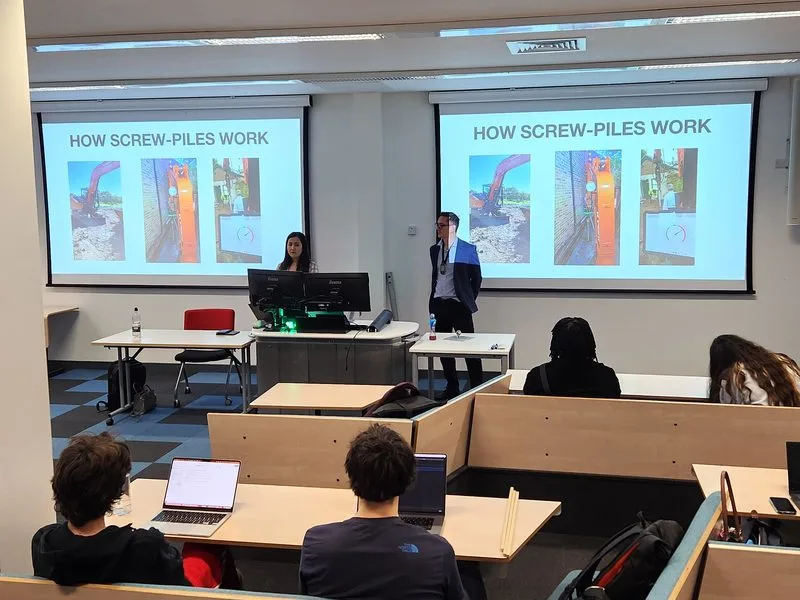
Train yourself and your team free of charge. Sessions cover technical aspects of pile sizing, load calculations, soil assessment and installation quality control.
- Helical pile design principles and load calculation methods
- Soil assessment and pile selection for different ground conditions
- Installation monitoring and quality assurance procedures
- European standards and certification requirements
- Hands-on examples from real projects across Europe
Free of charge
On-site or online training sessions tailored to your team's experience level